Driving Anxiety Hypnotherapy in Wolverhampton Can Hypnotherapy Help?

Driving Anxiety can shrink your world when it takes hold. A short trip to the shops can start to feel overwhelming. A familiar junction can feel intimidating. A motorway journey can sit in your mind for days before you even pick up the keys. Driving Anxiety Hypnotherapy helps return confidence on the road.
For many people, driving anxiety is frustrating because it does not always make logical sense. You may know you are capable. You may have passed your test years ago. You may have driven the same roads around Wolverhampton, Dudley and Wombourne many times before. Yet your body can still react as if something is wrong. It is on high alert and firing off your nervous system.
That reaction can be powerful. It can affect confidence, routines, work, family life, and independence. If driving anxiety is starting to shape where you go, when you travel, or whether you drive at all, Driving Anxiety Hypnotherapy offers a way to work with the automatic responses that keep the anxiety going.
Jennie Kitching offers personalised hypnotherapy for clients in Wolverhampton and the surrounding area. Based nearby in Wombourne, she works with people who want to feel calmer, steadier, and more in control behind the wheel. Let's put an end to Driving Anxiety with Hypnotherapy in Wolverhampton, Dudley and Wombourne. Everyone feels safer when you are more confident behind the wheel.
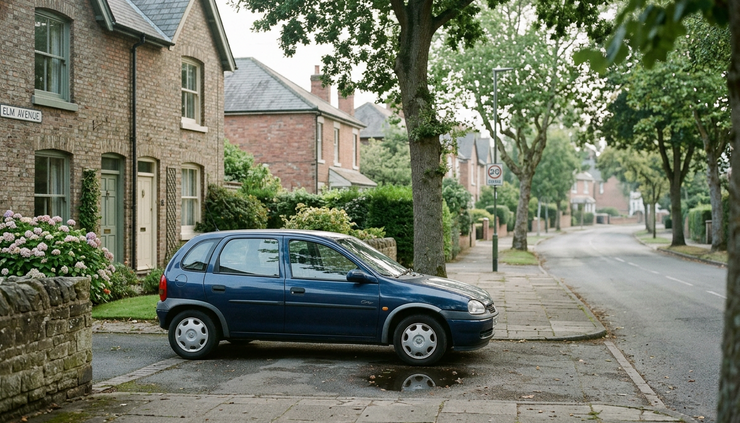
What driving anxiety can feel like
Driving anxiety does not look the same for everyone. Some people can drive comfortably in familiar areas but struggle as soon as a journey involves motorways, dual carriageways, or unfamiliar routes. Others feel anxious in slow traffic, busy junctions, narrow lanes, bridges, roundabouts, or city-center roads. Driving Anxiety Hypnotherapy is specifically tailored for your own unique needs.
The anxiety may appear before driving, during driving, or after a difficult journey. It can also build around specific situations, such as:
Driving alone
Driving with passengers
Joining fast-moving traffic
Overtaking
Motorway Driving
Being stuck in a queue with no easy exit
Taking a route with several lane changes
Driving at night or in bad weather
Traveling to appointments where arriving late feels stressful
Returning to the road after an accident, near miss, or long break
Driving Anxiety strikes in many ways. It can seem to come on out of the blue for no apparent reason. Physical symptoms can be just as unsettling as the thoughts. A person may notice a racing heart, sweating, shaking, tightness in the chest, dry mouth, stomach discomfort, tense shoulders, or feeling light-headed. These sensations can then become part of the fear.
The thought pattern often sounds like this:
“What if I panic while driving?”
"What if there is a redirection and I get lost"
“What if I can’t get off this road?”
“What if I make a mistake?”
“What if other drivers get angry?”
“What if I lose control?”
“What if I can’t cope?”
These thoughts can feel urgent, even when the situation itself is manageable. That is one reason driving anxiety can be so confusing. The fear response is not always responding to the road in front of you. Sometimes it is responding to a remembered experience, a predicted danger, or a learned association.
Why avoidance can make driving anxiety stronger and how Driving Anxiety Hypnotherapy helps
Avoidance often feels sensible in the moment. If a particular junction makes you anxious, taking a different route can bring instant relief. If motorway driving causes panic, staying on local roads can feel safer. If a journey feels overwhelming, canceling it can reduce the pressure.
The problem is that relief can teach the brain the wrong lesson.
When you avoid a road or situation, your nervous system may read that avoidance as proof that the situation was dangerous. Over time, the fear can grow. A single avoided road can become several roads. One type of journey can become most journeys. Confidence can narrow slowly, often without you noticing at first.
This does not mean anyone should force themselves into situations they are not ready for. Pushing too hard can make anxiety feel worse. But it does show why working with the underlying fear response matters.
Driving Anxiety Hypnotherapy can be helpful because it focuses not only on what you consciously think, but also on the automatic reactions that happen beneath the surface.
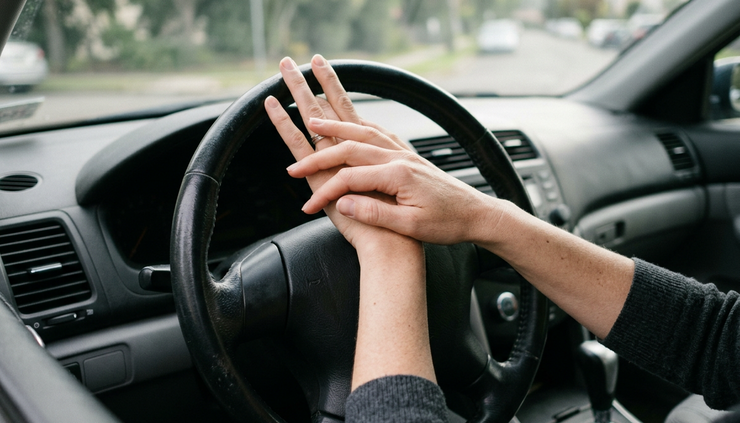
How hypnotherapy may help with driving anxiety
Driving anxiety often involves an automatic response. Consciously, you may know you can drive safely. Your body may still react as though you are facing a threat. This is where hypnotherapy can be useful.
Hypnotherapy uses guided relaxation, focused attention, and therapeutic suggestion to help you access a calmer mental state. In that state, you may be better able to explore and update unhelpful patterns, such as fear-based expectations, intrusive images, or strong physical reactions linked to driving.
It is not about being controlled. It is not stage hypnosis. A Driving Anxiety Hypnotherapy session is a collaborative process where you remain aware and able to respond. The aim is to support change in the way your mind and body respond to driving-related triggers.
For driving anxiety, hypnotherapy may focus on areas such as:
Reducing the fear response
The body can learn to associate driving with danger, even when the actual risk is low. Hypnotherapy can support a calmer response so that the nervous system does not move so quickly into panic.
Changing anxious mental rehearsal
Many people with driving anxiety imagine the journey going badly before it happens. This can make the body feel anxious before the car has even moved. Driving Anxiety Hypnotherapy can help shift that mental rehearsal toward a calmer, more capable expectation.
Building confidence through visualization
Guided imagery can help you mentally practice driving situations while feeling more settled. This can include approaching a junction calmly, staying steady in traffic, or completing a familiar route with greater ease.
Working with past experiences
If the anxiety began after an accident, near miss, panic attack, or frightening journey, the mind may still be reacting to that event. Hypnotherapy may help reduce the emotional charge linked with the memory.
Supporting gradual progress
Hypnotherapy can be used alongside practical steps, such as starting with manageable routes, planning journeys, or practicing at quieter times. The goal is not to rush. The goal is to rebuild trust in your own ability.
When driving anxiety starts after an accident
Some people know exactly when their driving anxiety began. An accident, near miss, breakdown, or frightening road experience can leave a strong imprint. Even if no one was badly hurt, the body can remember the shock.
After an incident, it is common to replay what happened. Certain sounds, roads, weather conditions, or traffic situations may trigger a sudden surge of anxiety. A person might feel fine as a passenger but anxious as a driver, or the other way around.
Hypnotherapy cannot change what happened, but it may help change how the mind and body respond to the memory. This can be especially important when the fear response keeps being triggered long after the original event has passed.
For some people, driving anxiety may also overlap with trauma symptoms, panic attacks, or wider anxiety. In those cases, it is sensible to seek support from an appropriate health professional. Hypnotherapy can be part of a wider support plan, but it should not replace medical or psychological care where that care is needed.

When driving anxiety builds gradually
Not everyone can point to a single cause. Driving anxiety can also build slowly.
A stressful period in life can make the nervous system more sensitive. A panic attack while driving can make the car feel unsafe afterward. A long break from driving can reduce confidence. Changes in roads, traffic volume, eyesight, health, or life circumstances can also play a part.
Sometimes anxiety starts with one small worry:
“I don’t like that roundabout.”
Then it becomes:
“I’ll avoid that side of town.”
Then:
“I don’t want to drive unless I have to.”
That gradual narrowing can feel discouraging, especially if driving used to feel easy. But learned anxiety can often be relearned. With the right support, many people find they can begin to feel more settled again.
Driving Anxiety Hypnotherapy is usually personalised because the pattern is personal. One person may need help with motorway confidence. Another may need to feel calm at traffic lights. Another may want to drive to work without rehearsing every possible problem the night before.
A personalised approach matters because the fear is rarely just “driving.” It is often a specific mix of thoughts, sensations, memories, and situations.
What a Driving Anxiety Hypnotherapy session may involve
A session with a hypnotherapist such as Jennie Kitching would usually start with a conversation. This helps identify how the anxiety shows up, what situations trigger it, what you currently avoid, and what you would like to change.
The work may include discussing:
When the anxiety began
Which routes or situations feel hardest
What physical symptoms appear
What thoughts happen before and during driving
What you have already tried
What would feel like realistic progress
The hypnotherapy itself often involves a relaxed, focused state. You may be guided to settle your breathing, release tension, and focus your attention. From there, therapeutic suggestions and imagery can be used to support calmer driving responses.
For example, you might be guided to imagine sitting in the car feeling grounded and in control. You might mentally rehearse a familiar journey while staying calm. You might work with the feeling of confidence, so it becomes easier to access when needed.
The session should feel respectful and paced to you. Good hypnotherapy does not force someone to relive distressing memories or take steps they are not ready for. It works best when there is trust, collaboration, and a clear goal.
What hypnotherapy can and cannot promise
It is helpful to be realistic. Though Driving Anxiety Hypnotherapy can actually be a magic switch, as it came on so quickly so in fact CAN go quickly too. This depends upon the skill of your hypnotherapist to communciate directly wtih your unconscious mind which controls the nervous system.
People respond differently. The number of sessions needed can vary depending on the severity of the anxiety, how long it has been present, and whether it connects with wider anxiety or trauma.
That said, Driving Anxiety Hypnotherapy may help many people experience a shift in how they respond. For some, that means fewer physical symptoms. For others, it means less anticipatory worry before journeys. Some people notice they can approach previously avoided routes with more steadiness.
Progress may look like:
Sitting in the car without a rush of panic
Taking a short familiar journey more calmly
Driving at a quieter time of day with less tension
Approaching a junction without overthinking every move
Feeling less exhausted after driving
Building toward longer or less familiar journeys
With Driving Anxiety Hypnotherapy confidence often returns through repeated experiences of coping; which we do in the mind first. Often change is surprisingly immediate.
The aim is not to become a fearless driver. The aim is to feel safe enough, calm enough, and capable enough to drive in a way that supports your life.
Practical steps that can support hypnotherapy
Hypnotherapy can be more effective when paired with practical, manageable changes. These steps are not a replacement for support, but they can help create a calmer foundation.
Plan journeys in advance
Knowing the route can reduce uncertainty. Check parking, likely traffic, and any difficult junctions before you set off.
Start smaller than you think you need to
A short, successful drive can build confidence better than a long, overwhelming one. Progress does not need to be dramatic to be meaningful.
Practice calm breathing before the engine starts
Slow, steady breathing can signal safety to the nervous system. It is easier to practice this while parked than to try it for the first time when anxiety is high.
Reduce pressure where possible
Choose quieter times of day for early practice. If possible, avoid combining a challenging drive with a tight deadline.
Notice success after the journey
An anxious mind often reviews what felt difficult. Make a point of noticing what went well, even if it was small.
Be kind to yourself after setbacks
A hard drive does not erase progress. Anxiety recovery is rarely a straight line.

Getting support near Wolverhampton
If driving anxiety is affecting your independence, it can be tempting to wait and hope it will pass. Sometimes it does. But when avoidance is increasing, or worry is taking up more space, support can make a real difference.
Jennie Kitching offers Driving Anxiety Hypnotherapy in Wolverhampton and the surrounding area from her base nearby in Wombourne. The work is tailored to the person, rather than treating driving anxiety as one fixed problem.
That personal approach matters. A driver who fears motorways needs different support from someone who panics at traffic lights. A person returning to driving after an accident may need different work from someone who has gradually lost confidence over several years.
If symptoms are severe, sudden, or linked with medical concerns such as faintness, chest pain, or panic attacks that feel unmanageable, speak with a qualified medical professional. This article is for general information only and is not medical advice.
A calmer way back to driving
Driving anxiety can make the world feel smaller, but it does not have to define every journey. When the mind and body have learned to react with fear, they may also be able to learn a calmer response.
Hypnotherapy may help by working with the automatic patterns that keep driving anxiety active. It can support confidence, steadiness, and a stronger sense of control, especially when paired with gentle, realistic practice.
If driving has become stressful, avoiding every difficult route is not the only option. The next step can be smaller and kinder than that: understanding the fear, getting the right support, and beginning to rebuild confidence one manageable journey at a time.
Embracing a Calmer Future with Hypnotherapy
Managing anxiety is a journey, not a quick fix. Hypnotherapy offers a gentle, effective path to understanding and transforming your relationship with anxiety. By working with your subconscious mind, you can unlock new ways to feel calm, confident, and in control.
If you’re ready to explore this approach, consider reaching out to a professional who can guide you safely. You deserve to live a life free from the heavy weight of anxiety. With the right tools and support, that life is within reach.
For those interested in learning more or becoming a hypnotherapist themselves, this field offers a rewarding way to help others find peace. Sharing these techniques can expand the reach of healing and personal growth.
If you want to learn more about hypnotherapy for anxiety, take the first step today. Your calmer, brighter future awaits.
FREE AUDIOS FOR YOU
Book your free consultation session with Jennie Hypnowoman

Comments